
Writer:Hassani Shahat Mohamed
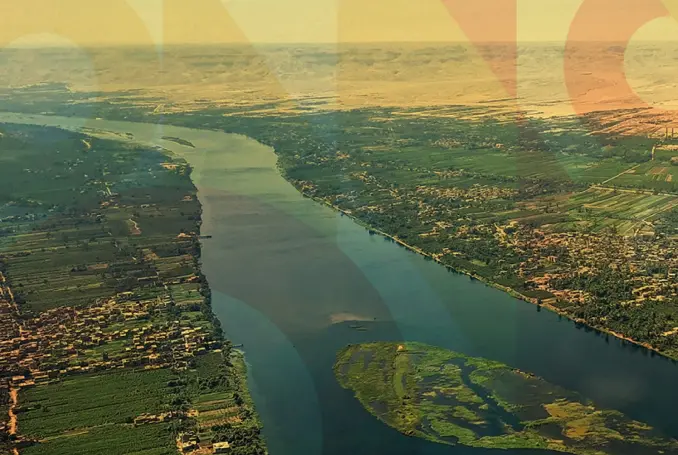
Egypt faces growing climate challenges due to its location in one of the regions most vulnerable to rising temperatures and extreme weather. These impacts threaten food and water security, economic growth, and the livelihoods of vulnerable communities, making climate justice a key requirement for sustainable development. International experiences, such as the European Union’s Green Deal and Bangladesh’s climate adaptation strategy, demonstrate that integrating social justice into climate policies improves their effectiveness and protects disadvantaged groups. Although Egypt contributes only a small share of global greenhouse gas emissions, it is disproportionately affected through declining agricultural productivity, water scarcity, and risks to the Nile Delta, which increase poverty and economic pressures. Egypt has adopted the National Climate Strategy 2050 and its Nationally Determined Contributions (NDCs), but the main challenge remains implementation. This requires ensuring a just energy transition, expanding green urban planning, directing climate finance toward vulnerable communities, strengthening social protection, and establishing mechanisms to monitor the regional impacts of climate policies and ensure equitable outcomes.
To read the full article: click here
Disclaimer: Except for articles published on Blog Tadamon and the content of the resource pages, all materials on this website, including their respective photographs, are indexed from their original sources. All rights remain with the respective copyright holders.