Writers: Jessica Moujabber, Mirdza Abele, Yara Shamlati, Maxime Bazin, Mariana Makoukji, Lara Makhlouta, Elisa Bountoktzi
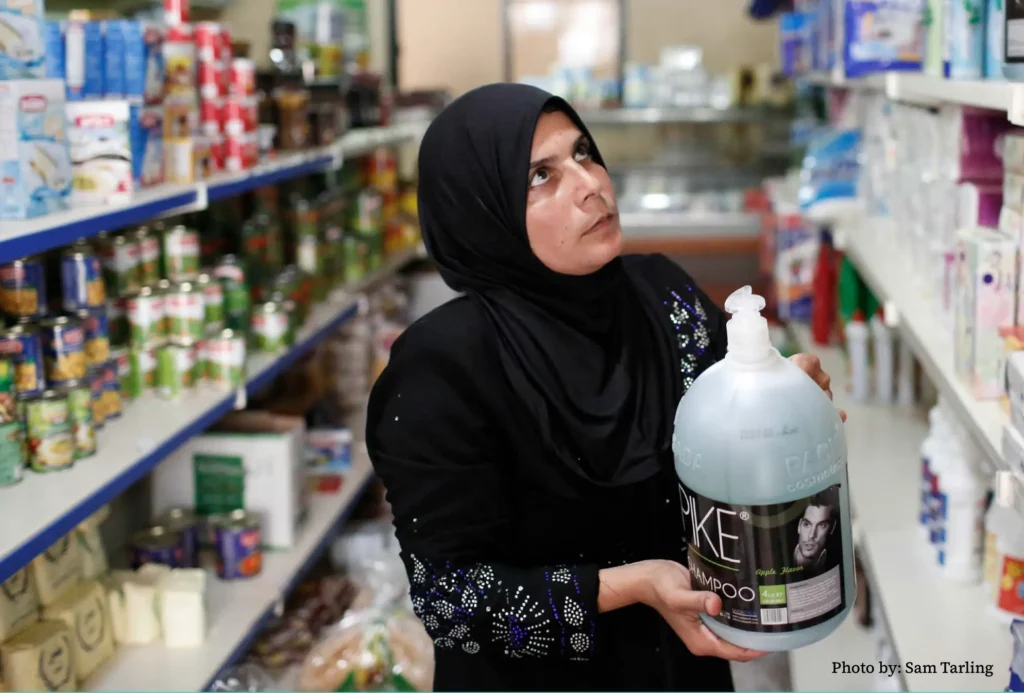
Debt is widely recognized as a double-edged instrument: at the macro level, it can fund growth and essential services, but at the household level, it often represents both survival and constraint. In fragile settings, where formal safety nets are limited, borrowing increasingly serves as a de facto social protection mechanism, allowing families to secure food, housing, or healthcare when income falls short. Yet this coping strategy carries emotional and financial costs, deepening cycles of dependence, stress, and inequality, particularly among poorer households, women, and refugees.
This study was commissioned by Oxfam, under the CAMEALEON consortium, and implemented in partnership with the Norwegian Refugee Council (NRC). Its primary purpose is to generate a deeper understanding of how CVA interacts with household debt dynamics in Lebanon, particularly within the context of protracted crises, shrinking humanitarian funding, and growing economic fragility. The findings aim to inform strategic and programmatic decisions at both agency and inter-agency levels to improve CVA design and to support evidence-based advocacy on effective cash modalities.
To read the full article: click here
Disclaimer: Except for articles published on Blog Tadamon and the content of the resource pages, all materials on this website, including their respective photographs, are indexed from their original sources. All rights remain with the respective copyright holders.